rxHeads

Thursday, June 12, 2014

Superdrol Cycling and PCT

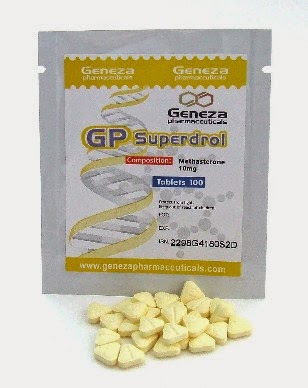
Superdrol (SD) is marketed as a 'pro-hormone' (PH) in the post-ban era of pro-hormones. Following the ban of most pro-hormonal substances in the States, including the likes of 1-test, 1-AD, 4-AD, M1T, etc, Designer Supplements designed this 'pro-hormone' based on the steroid Masteron, with an additional methyl group attached to the 17th carbon position. It is described as a cross between anavar and masteron, with the virtual inability for aromatisation to estrogen. It is highly anabolic (400-800% more so than methyl-test) and a lot less androgenic (~20% of methyl-test). Superdrol has hence been given the name Methasteron.

Despite being marketed as a supplement available legally and deemed another 'pro-hormone' or 'pro-steroid' by many, there is nothing very 'pro' about Superdrol. In reality, Superdrol is a designer steroid, and that is what the reader must primarily understand. It is methylated, so will cause stress on the liver, and it is an anabolic/androgenic steroid, thus it has the potential to give side effects normally seen with such anabolic androgenic steroid (AAS) use. It will shut your natural testosterone production down, and PCT (post-cycle therapy) is not only recommended, but frankly required.

It should also be noted that due to the steroidal nature of Superdrol, those under the age of 21 should not consider the use of Superdrol, which could be detrimental in a number of ways.

Cycling Superdrol
Superdrol is sold in 10mg capsules. For those who have not used Superdrol before, it may be a good idea to start off on 10mg as a single dose each day (ed) for at least the first few days/week. Those who have used Superdrol before, or those who are in the range of 200lbs+ or have more experience with other pro-hormones/AAS should most likely want to start with 20mg ed. Dosages should be split where possible, 10mg in the morning, 10mg 12hrs later. Most users report that when running for longer than 3 weeks, the gains seem to cease in the 4th week. This has led to many people thinking that 3 week cycles of SD are the best option in terms of gains and sides and this also is beneficial due to the harsh nature of Superdrol on lipid values (see Side Effects of Superdrol). A good cycle is 20mg ed for 3 weeks, with a 2-3 week PCT. Others have found success employing a 2 week on, 1 week off using a Selective Estrogen Receptor Modulator (SERM; e.g. Nolvadex) or Aromatase Inhibitor (AI; e.g. Rebound XT) during the week off.

Example of a Superdrol Cycle - (values given are every day - ed)

3-5 days prior to cycle (supplement loading):

    1000mg Milk Thistle
    1200mg RYR
    60mg CoQ10
    3g Taurine

Week 1:

    20mg Superdrol, split doses
    Supplement stack*

Week 2:

    20mg Superdrol, split doses
    Supplement stack*

Week 3:

    20mg Superdrol, split doses
    Supplement stack*

Post Cycle Therapy (PCT)

Either:

Rebound XT/ATD PCT week 1:

    75mg Rebound XT (3 caps 1 in morning, 2 in evening taken with 10g of fat ideally)
    Supplement Stack*

Rebound XT/ATD PCT week 2:

    50mg Rebound XT (1 cap in morning, 1 in evening, with 10g fat)

Rebound XT/ATD PCT week 3:

    25mg Rebound XT (1 cap in evening, with fat)

Or:

Nolvadex (Tamoxifen) PCT Day 1:

    60mg Tamoxifen (taken all at once when convenient)
    Supplement stack*

Nolvadex (Tamoxifen) PCT Days 2-11:

    40mg Tamoxifen (taken all at once when convenient)
    Supplement stack* (up to days 5-7)

Nolvadex (Tamoxifen) PCT Days 12-21:

    20mg Tamoxifen

Optional extra: Add Tribulus throughout PCT.

*Supplement stack:

    1000mg Milk Thistle
    1200mg RYR
    60mg CoQ10
    5g Taurine

Water intake should be high throughout the cycle.

Generally time on + PCT should equal time off, so one should ideally wait 6 weeks after PCT finishes before starting a new cycle of SD. SD can be stacked with other 'pro-hormones,' but I do not recommend stacking with those that are methylated as this will put too much unnecessary strain on the liver, even with Milk Thistle supplementation.

Lighter individuals (<170lbs) and those less adventurous may want to consider starting off on 10mg ed for the first 3-7 days to assess how they react to it, and maybe increasing to 20mg ed from the second week onwards. Those that don't respond well after 2 weeks to 20mg ed may also wish to consider going up to 30mg ed, but sides can be a lot worse at this dosage in many. People may also want to consider running it for 4 weeks, and although the above is an example cycle I would recommend, a 4-week cycle would be fine; however I would not recommend anything longer than 4 weeks, due to lipid issues and diminishing returns/gains ceasing. The reason I suggest 3 weeks is many people see very little in the way of gains in the fourth week, and it is often unnecessary to go to the fourth week bearing in mind the side effects associated with SD (which can be cumulative).

While strength gains may appear alarmingly rapid, they do not come with a proportional increase in strength of connective tissue. As such, strict form and a level headed approach to training should be maintained, to reduce the likelihood of injury.

Tuesday, June 3, 2014

The Long-Term Use of Melanotan II for Tanning

How to use MT-II long term and how do to dose it?

There’s no medical evidence on that question, but Melanotan II has been used by very many people for many years now.

Melanotan II works by stimulating the alpha-melanocyte receptor, which promotes formation of melanin in response to sun exposure. When a substantial amount of MT-II has been taken within recent “memory” of the skin cells, an individual tans as if he were a genetically darker type.

Some find MT-II unsuitable for them because of development of moles, or because of uneven skin darkening. But for most it works very well with no problems, including when used long term.

A possible additional side effect is greater tendency to developing an erection, typically beginning several hours after taking the drug. Depending on the individual, dosing may need to be at least 1 mg for this to occur. I’d recommend against exceeding 2 mg at a time. For those specifically seeking this effect, bremalanotide (PT-141) would be another option. It’s reported to share MT-II’s pro-erectile effect, but with no effect on tanning.

Melanotan II has an initial loading phase, and – if desired – a maintenance phase after that. Or, its effect can be allowed to slowly wear off over a period of months, and loading can be repeated.

Usually, 10-30 mg total use is required during the loading phase, with paler individuals requiring more than relatively darker individuals. It’s best to start with very low dosage, such as only 0.25 mg per day, and then work up if desired. Many can tolerate 2 mg/day, but it’s possible that risk increases with such use, and it usually should not be necessary to load up that fast. Even 0.5 mg/day will allow loading with 30 mg in only two months, or 1.0 mg/day will allow that much loading in just 30 days.

To maintain the same tanning ability, ongoing per-year usage after this needs to be about 2-3 times the loading dosage, as an estimate. So for example if you needed 30 mg of loading to get the result you want, to maintain it you might need about 60-90 mg total Melanotan II over the course of the year. You’d already have injected 30 mg of that, so there would be 30-60 mg (typically three to six vials) remaining to inject over the next 11 months.

You could be very precise and figure this as 2.72 – 5.45 mg/month or 0.09 – 0.18 mg/day. But there’s no need to do that. Instead, it would be fine to figure it as a vial per 2-4 months. Once starting on a vial, it could be injected at an amount such as 0.5 mg/day until the vial is finished.

This is easier than having to inject it at all the time, and gives equivalent results.

The frequency of starting maintenance vials can be varied according to personal judgment of effect. There’s no problem with underestimating, or even with going a year or more without maintenance, because it’s always easy to catch back up.

Of course, sun is still required to get a tan. MT-II facilitates tanning, but does not directly cause it.

Wednesday, May 28, 2014

Types of Steroids: Nandrolone Analogues or Dihydrotestosterone Derivatives

There essentially exists only one Nandrolone derivative that is conventionally and commercially available: Trenbolone. Although other Nandrolone analogues have been developed, they are not commonly known and are not very popular for one reason or another. Nandrolone itself cannot technically be counted, as it is not a derivative – it IS Nandrolone. Therefore, the only Nandrolone analogue of question here is Trenbolone.

Nandrolone and Tren belong to a special unique category of anabolic steroids known as Progestins. Nandrolone itself is quite structurally similar to Testosterone. However, Nandrolone differs from Testosterone due to the lack of the 19th carbon. This is why Nandrolone and Trenbolone are often referred to as 19-nortestosterone compounds, meaning a carbon atom is missing at the 19th position. As such, any compound relating to (or is a derivative of) Nandrolone is also commonly referred to as a ’19-nor’ compound, including Nandrolone itself.

Trenbolone being a Nandrolone derivative is of course missing the aforementioned carbon atom at the 19th position (which is in reality a whole methyl group) and this carbon atom is instead replaced by double-bonds between the two carbon atoms that the 19th carbon was originally bound with (this
differs from Nandrolone where the lacking 19th carbon is simply replaced with a hydrogen atom instead of double-bonds in Trenbolone’s case). This lack of a 19th carbon is what increases the resistance of 19-nor compounds to interaction with the aromatase enzyme and therefore very resistant to any Estrogen conversion – however, this is not the whole story for Trenbolone when it comes to aromatization. Trenbolone also contains modifications at carbons 19 and 11, where one hydrogen atom was removed from each carbon so that carbons 19 and 11 become double-bonded with their neighboring carbon atoms in their respective cycloalkane rings. These additional modifications of double-bonds at carbon 19 and 11 are what provides Trenbolone not just increased resistance to aromatization, but to become completely immune to it and be unable to interact what so ever with the aromatase enzyme. These different modifications are also responsible for granting Trenbolone with the extreme anabolic and androgenic strength ratings it is so well known for.

19-nor Progestational compounds such as Nandrolone and Trenbolone exhibit various effects and side effects in the body that are unique only to 19-nor compounds, and are not seen among any other types of steroids. Studies have demonstrated that 19-nor anabolic steroids tend to exhibit binding affinity for the Progesterone receptors in the body. Trenbolone in particular possesses very strong binding affinity (much stronger than Nandrolone) for the Progesterone receptor 1. As mentioned above, this is one of the factors involved where Trenbolone possesses side effects that are almost never seen in other anabolic steroids that are not Progestins. Progestogenic side effects are almost identical to Estrogenic side effects, and they include: severe endogenous Testosterone production shutdown/suppression, gynecomastia, and water retention. It has been determined that the activity of Progestins is closely correlated with the activity of Estrogen in the body. This is why care must be taken to understand the Progestogenic properties of Nandrolone and its derivatives before using them, as well as how to properly deal with the associated Progestogenic effects.

19-nor compounds (Nandrolone derivatives) are preferred by athletes and bodybuilders for many of the same reasons that they would prefer DHT derivatives. 19-nor compounds are either highly resistant to aromatization, or do not aromatize into Estrogen at all (in Trenbolone’s case), and therefore eliminate the potential for Estrogen-related side effects such as water retention/bloating and gynecomastia. These types of steroids also do not interact with the 5AR enzyme, or they interact with it in very miniscule amounts (in Nandrolone’s case). However, Progestogenic effects are a concern that must be fully understood. For a further in-depth description of what these Progestin effects are, please refer to the specific profiles for both Nandrolone as well as Trenbolone where this is delved into greater detail.

Tuesday, May 20, 2014

GHRP-2 & GHRP-6: Injectable Growth Hormone Releasing Hexapeptides

Getting straight to the point, GHRP signals the pituitary to secrete GH. This action offers a lot of benefits, which will be covered later. It's also worth mentioning that there are various types of GHRPs, however, this particular discussion revolves around GHRP-2 and GHRP-6.

How do GHRP-2 and GHRP-6 differ from Each Other?
While both of these amino acid peptides release GH, there's a noticeable difference in GHRP-6, which speeds up digestion allowing for larger consumption of food. It's worth adding that this particular peptide is a first-generation GHRP.

What distinguishes GHRP-2 is its ability to cause growth hormone to be released more intensely. This second-generation GHRP is best for those who want to get the absolute most value from the GH releases. On the other hand, if increasing low appetite is the main concern GHRP-6 would be best.

What Other Benefits do GHRP-2 and GHRP-6 provide?
Just one dose of GHRP can battle aging effects, improve sleep quality and repair small injuries. So in short, taking these amino acid peptides will greatly improve life and overall health.

The best time to administer a dose is right before bed since this is the period when the pituitary is most active. Some researchers administer multiple doses in a day because this can help build lean muscle tissue and promote fat loss.

If the Goal of this research peptide is fat loss, how should GHRP be used?
ghrp_6 One possible way is to use GHRP an hour before cardio, when the stomach is empty. Afterward, one isn't to eat for another two hours so that the body uses fat stores as fuel. But keep in mind that this method of promoting fat loss with GHRP is debatable.

Why not just use Growth Hormone Instead?
For starters, not all GH is pure. Many researchers have been burned when they spend a fortune to order GH from China and other countries, thinking all along that they're getting the real thing. But what they get instead is a counterfeit kit that only contains a fractional amount of GH or just HCG powder.

Wednesday, May 7, 2014

Growth Hormone Releasing Hormone CJC-1295

It increases protein synthesis and stimulates the growth of new muscle tissue.

- Allows for normal growth in short children with GH deficiency.
- Increases muscle mass (and physical strength if combined with moderate exercise).
- Reduces wrinkling of the skin and some other effects of skin aging.
- Re-grows internal organs that have atrophied with age.
- Causes hyperplasia, the increase of more muscle cells.
- It increases muscle mass through the creation of new muscle cells (which differs from hypertrophy).
- It promotes lipolysis, which results in the reduction of adipose tissue (body fat).
- Increased bone density.
- Faster recovery from exercise, exertion, and injuries.
- Strengthen the immune system.

It is important to begin the discussion of CJC-1295 with a discussion of the parent of the Growth Hormone Releasing Factors which is somatocrinin., this peptide ultimately gave birth to the newer generations of Growth-hormone-releasing hormone peptides (CJC-1295).

Growth-hormone-releasing hormone (GHRH), also known as growth-hormone-releasing factor (GRF or GHRF) or somatocrinin, is a 44-amino acid peptide hormone produced in the arcuate nucleus of the hypothalamus. GHRH is released from neurosecretory nerve terminals of these arcuate neurons, and is carried by the hypothalamo-hypophysial portal circulation to the anterior pituitary gland where it stimulates growth hormone secretion. GHRH stimulates the production of growth hormone.

GHRH gave birth to a more compact growth hormone releasing factor known as Sermorelin which is a synthetic analogue of growth hormone releasing hormone, which is produced by the hypothalamus. Sermorelin acetate is the acetate salt of an amidated synthetic 29-amino acid peptide that corresponds to the amino-terminal segment of the naturally occurring human growth hormone-releasing hormone (GHRH or GRF) consisting of 44 amino acid residues.

So, what was the problem with Sermorelin, or GHRH for that matter? The clinical use of growth hormone-releasing hormone (GHRH) is limited by its short half-life. Also it follows that Sermorelin faced the same difficulties and thus is limited by its short half life (approximately 12 min following intravenous injection in humans), mainly due to its susceptibility to rapid enzymatic degradation. Thus, the product quickly dissipated in the body and the peptide could not stay in the body long enough to have a medicinal impact. A Munafo, T X Q Nguyen, O Papasouliotis, H L?cuelle, A Priestley and M O Thorner (2005). There were attempts to resolve some of the short half-life issues with Sermorelin, in fact a PEGylated GHRH was developed. Even though PEGylated GHRH solved some of the degradation issues, the much more potent CJC 1295, rendered PEGylated GHRH obsolete.

Instead of using a PEGylated technology, the technology of bioconjugation was employed. In vivo bioconjugation to serum albumin is a useful tool to increase the half-life of small molecules or peptides in plasma. In vivo bioconjugation occurs when a strategically placed reactive group on a bioactive peptide reacts with a nucleophilic entity found in blood or in sc interstitium to form a stable bond. The foremost nucleophile is the thiol, and its most abundant source in these fluids is Cys34 on albumin. The thiol on Cys34 reacts with a Michael acceptor, such as a maleimido derivative, leading to a new bioactive protein construct that will adopt an extended half-life due to stabilization from enzymatic degradation) or reduced elimination through the kidney. It therefore became logical to combine the long-lasting effect of bioconjugation with the proper GRF analog. Lucie Jett?, Roger L?ger, Karen Thibaudeau, Corinne Benquet, Martin Robitaille, Isabelle Pellerin, V?ronique Paradis, Pieter van Wyk, Khan Pham and Dominique P. Bridon (2005).

CJC-1295 is a synthetic modification of growth hormone releasing factor (GRF) with D-Ala, Gln, Ala, and Leu substitutions at positions 2, 8, 15, and 27 respectively. These substitutions create a much more stable peptide with the substitution at position 2 to prevent DPP-IV cleavage, position 8 to reduce asparagine rearrangement or amide hydrolysis to aspartic acid, position 15 to enhance bioactivity, and position 27 to prevent methionine oxidation. By applying the Drug Affinity Complex (DAC) technology to GRF, the peptide selectively and covalently binds to circulating albumin after subcutaneous (SC) administration, thus prolonging its half-life. These substitutions are key in increasing the overall half life of CJC-1295 but there lies an even greater reason as to why the half life has been extended from ~7 minutes to greater than 7 days. Bioconjugation takes a reactive group and attaches it to a peptide, which in turn reacts with a nucleophilic (usually a partially negative molecule) entity found in the blood to form a more stable bond. Albumin, one of the most abundant substances in the human body is chosen as the nucelophile by this particular peptide thanks to a Cys34 thiol group that attracts it. By combining the tetrasubstituted GHRH analogue with maleimodoproprionic acid using a Lys linker, you create a GHRH peptide with a high binding affinity for albumin.

So how effective is bioconjugation? How long will CJC-1295 stay in ones system? How will CJC-1295 impact IGF-1 levels? This is the exact question researchers asked and a study was conducted to determine the efficacy of CJC-1295. The objective of this study was to examine the pharmacokinetic profile, pharmacodynamic effects, and safety of CJC-1295, a long-acting GHRH analog. The study design was two randomized, placebo-controlled, double-blind, ascending dose trials with durations of 28 and 49 days. Healthy subjects, ages 21-61 years old were studied. After a single injection of CJC-1295, there were dose-dependent increases in mean plasma GH concentrations by 2- to 10-fold for 6 days or more and in mean plasma IGF-I concentrations by 1.5- to 3-fold for 9-11 days. The estimated half-life of CJC-1295 was 5.8-8.1 days. After multiple CJC-1295 doses, mean IGF-I levels remained above baseline for up to 28 days. No serious adverse reactions were reported. Sam L. Teichman, Ann Neale, Betty Lawrence, Catherine Gagnon, Jean-Paul Castaigne and Lawrence A. Frohman (2006). What was the research dose used in the study? A particularly important question, the dosage was 30-60 micrograms per kilogram of bodyweight.

This bears repetition, GH remained elevated for up to six days! IGF-1 concentrations were up 1.5 to 3 fold for 9-11 days! And the estimated half-life of CJC-1295 is 5.8-8.1 days! IGF-1 levels were elevated up to 28 days! At a dosage of 30-60 micrograms per kilogram of bodyweight, with no significant side effects. Excuse all he emphasis but this is a truly remarkable research product, its ability for efficacy is self-evident.

So in sum, what is CJC-1295? CJC-1295 is a long-acting analog of GH-releasing hormone. CJC-1295 exhibits the same effects of Human Growth Hormone, it has the ability to promote muscle mass, increase bone density, improve protein synthesis, increase IGF-1 levels potently, strengthen immune systems, stimulate the production of bone marrow cells that produce red blood cells, and of course reduce excess body fat, especially abdominal fat. (The reduction of abdominal fat is the single most profound effect of HGH replacement.)

Peptide should be administered at least twice a week (so divide the research dose into two administrations on your research subject) this will help to keep blood levels consistent in your research subject, or in cellular culture, or in vitro.

Thursday, April 24, 2014

Clomid As Hormone Replacement Therapy

Clomid or clomiphene citrate, is a selective estrogen receptor modulator (SERM) and is used medically for a variety of treatments. Clomid first came to the market in the 1970s for the treatment of female infertility. Clomid is a mixed agonist and antagonist of the estrogen receptor. This means it acts as estrogen in some tissues, whilst in others it blocks estrogen. This is comparable with all SERMs as some are better than others at raising testosterone, like Clomid, and others are potent at blocking the estrogen receptor in breast tissue, such as Rolaxifene.

As time has passed and more is understood about Clomid and its effects on females and males, it’s now used as a treatment for male infertility, and in some countries as a hormone replacement therapy (HRT). Clomid being used as HRT medication is what we’re going to discuss today. Clomid and other SERMs raise testosterone levels in males due to their action of blocking the estrogen receptor in the brain. More can be read about this in our post cycle therapy (PCT) article.

Hormone replacement treatments for males include; testosterone gels, creams, sprays, pellets, to oral testosterone preparations and finally, injectable testosterones. Regardless of the delivery method, the treatment exists to replace the already low testosterone level due to age, disease, steroid use, genetics, and infertility or for a better quality of life. However, because of the method of action of SERMs on males, we can instead attempt to raise endogenous testosterone output, but this would only work if the subject’s testosterone level is already low and not zero per se.

Secondary hypogonadism is the failure of the hypothalamus and pituitary producing natural hormones to stimulate testosterone production by the testes. This can be treated by Clomid use, and we see this when coming off of anabolic steroids during PCT. Primary hypogonadism is when the testes fail and need to be treated with testosterone replacement therapy.

The study we’re going to look at today was done in 2011 at the Memorial Sloan-Kettering Cancer Center in New York. Clomid was given to 86 men different doses of Clomid as an alternate hormone replacement therapy. The men were aged between 22 and 37 years old and given either 25mg every other day of Clomid or 50mg every other day for 19 months. Seventy per cent took the lower dose of 25mg every other day and the rest took the higher Clomid dosage. Compared to PCT protocols, this is a low dose as these doses are used every day, not every other day, but PCTs also last around 4-6 weeks and not 19 months.

“Clomiphene citrate is an effective and safe alternative to testosterone supplementation therapy in hypogonadal men”, the endocrinologists conclude. “Clomiphene citrate therapy has a role to play in the testosterone deficient man and should be incorporated into the clinician-patient discussion.”

Limitations are that Clomid can bring its own side effects. Low of libido, mood swings, and vision disturbances are evident in some users, but these seem to become apparent in larger doses exceeding 100mg per day. We would suggest some sort of alternative hormone replacement therapy similar to the above protocol, with the addition of herbal products to enhance libido and possible testosterone production naturally. If these protocols fail, hormone replacement therapy in the format of injectable estered testosterone would be a viable option.

Tuesday, April 15, 2014

Dianabol Cycles and Uses

Dianabol (often shortened to D-Bol), was actually a brand name given to the steroid compound Methandrostenolone by the Swiss pharmaceutical and chemical company Ciba. Though production ceased many years ago, the brand name lives on and is still the name by which the steroid is most commonly referred. Nowadays, there are a host of 'underground laboratories' that manufacture this steroid.

Even today, despite steroid users becoming more accustomed to, and have the finance to fund exotic cycles with many different compounds, Dianabol is as popular as ever, owing to the fact that it is not only very cheap and relatively widespread, but results are nothing short of breathtaking, both in terms of mass gained and increases in strength.

Suggested Cycles/Uses
Prospective steroid users will typically look toward Dianabol as their first steroid experience. This is understandable given the unease that they may possess in respect of using inject able steroids. A 4-6 week course of 25mg-30mg per day should yield a pleasing outcome for novice users, whilst minimising side effects. As you would expect, more advanced users will benefit from higher dosages, though the dose/result ratio is not uniformly linear, and will see benefits tapering off strongly above 60mg-70mg per day, a situation also compounded with perhaps unacceptable side effects. However, given the nature of Dianabol, this situation is rarely encountered, as more experienced users will prefer to stack it with an injectable 'base' steroid such as Testosterone or Nandrolone (Deca) in order that the Dianabol dosages are kept modest.

Due to the relatively short half life, the daily dose is usually spread throughout the day, typically three or four times, with meals. Alternatively, some users prefer to take the full daily dose in one sitting, around 30 minutes before their workout. Dosing in this way can give rise to incredible 'pumps' during the workout, providing the user with a very real sense of vigour and increased performance. There is an additional perceived benefit in that a single dosage will result in a slightly greater uptake of the drug. Whilst this is true, it is somewhat of a fallacy due to the fact that any benefit is countered by an increased in liver stress associated with an increased load borne by the liver from a single dosing schedule. Additionally, it will create a spike in blood concentrations, swiftly followed by a crash; a situation which is normally desired to be avoided by users.

Dianabol is particularly suited to mass gaining goals, where the primary aim is to gain as much muscle as possible, with the user typically adjusting their diets to accommodate possibly 5000 calories or more. Testosterone/Deca/Dianabol is a superb combination with this goal in mind, two examples of which are shown below:

(Novice)
Testosterone (Enanthate/Cypionate/Sustanon) 500mg pw, weeks 1-11
Deca 400mg pw, weeks 1-10
Dianabol 25mg ed, weeks 1-4

(Intermediate)
Testosterone (Enanthate/Cypionate/Sustanon) 750mg pw, weeks 1-11
Deca 600mg pw, weeks 1-10
Dianabol 35mg ed, weeks 1-4

Due to the sometimes excessive water retentive properties of Dianabol, it makes it a poor choice of compound in cycles where the user is looking to shed fat. Cardiovascular activity will feature heavily during periods of cutting and these endeavours will be greatly hampered by the water retention and the painful 'pumps' that often ensue.